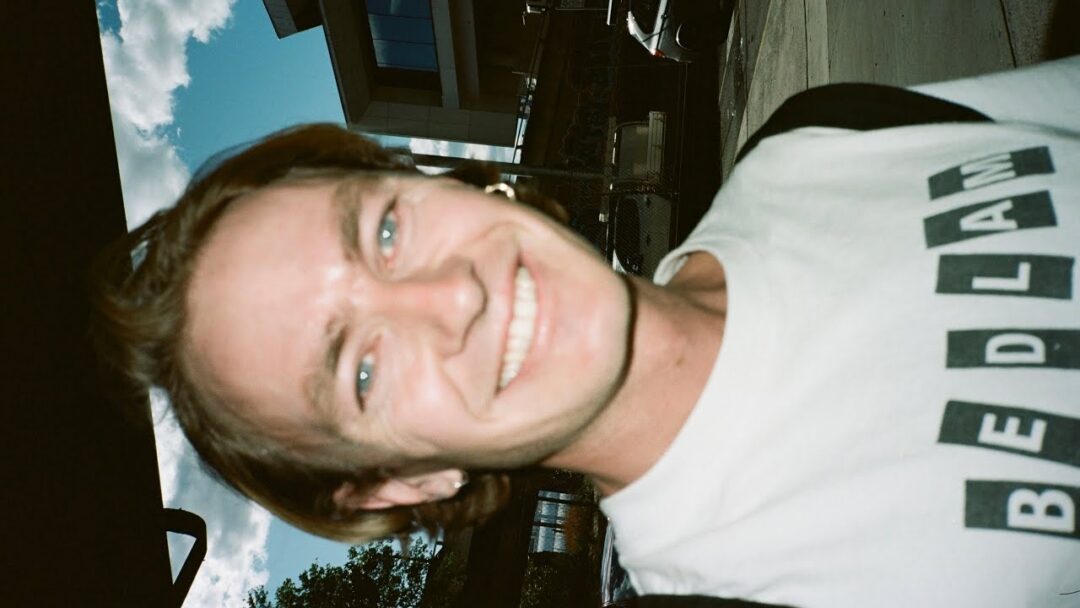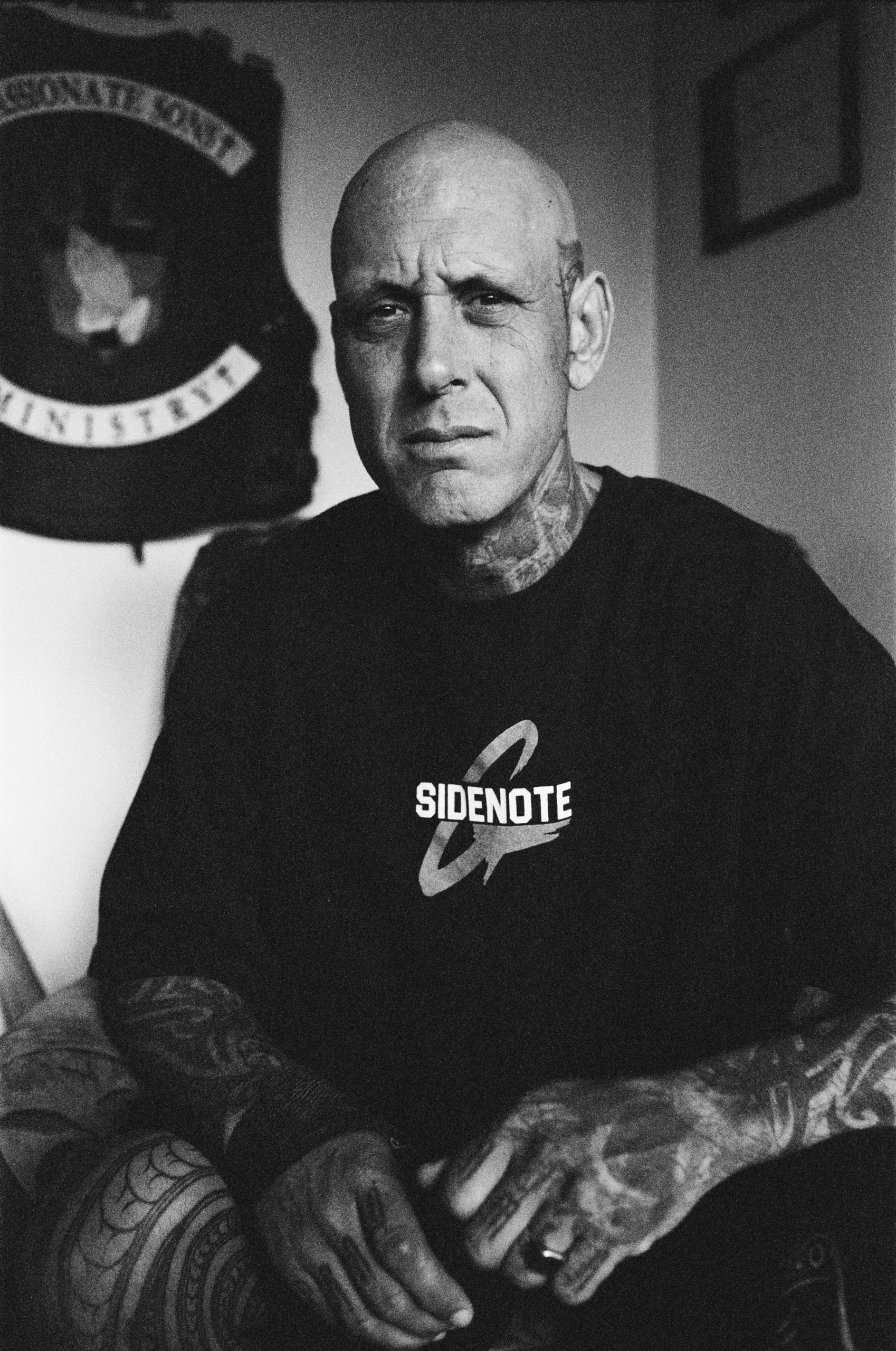
There’s a restlessness, an energy for life, a push that doesn’t switch off, and at times, an overzealous streak — all of it shaping the skateboarder he is today. Having a close friendship with him and genuine respect for what he represents, I jumped at the chance to sit down with him and do this interview.
Jayden stands as New Zealand’s first competitive adaptive skater and a welcome addition to the scene.
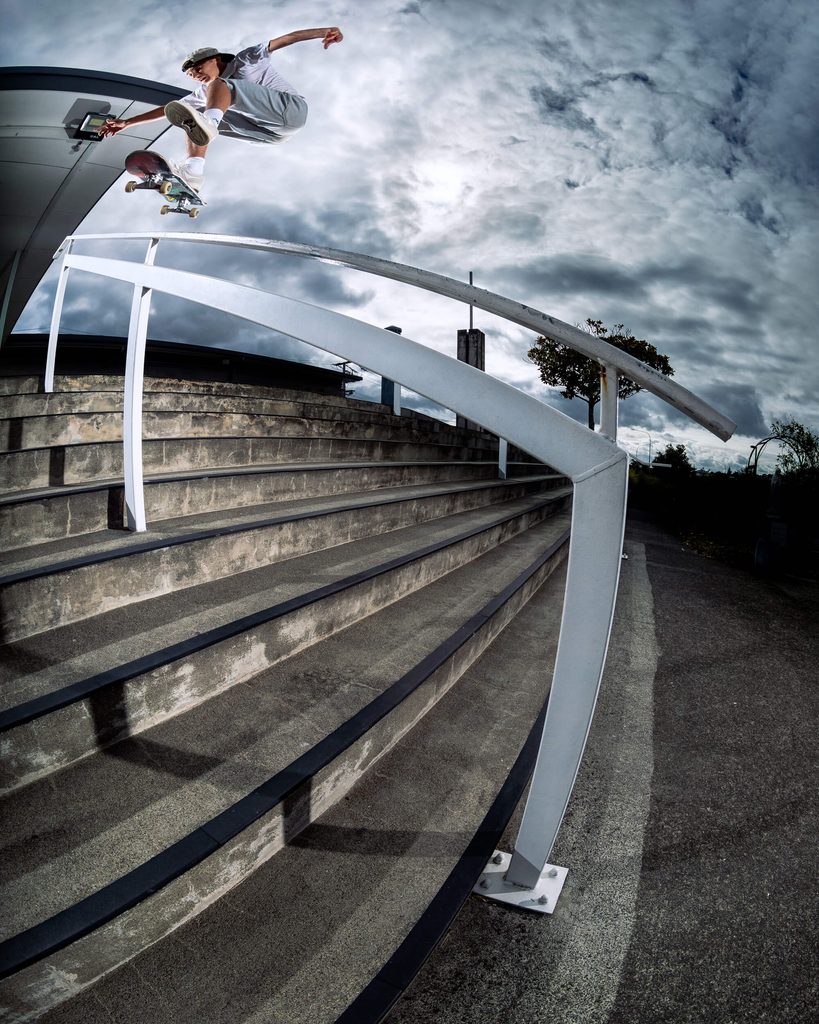
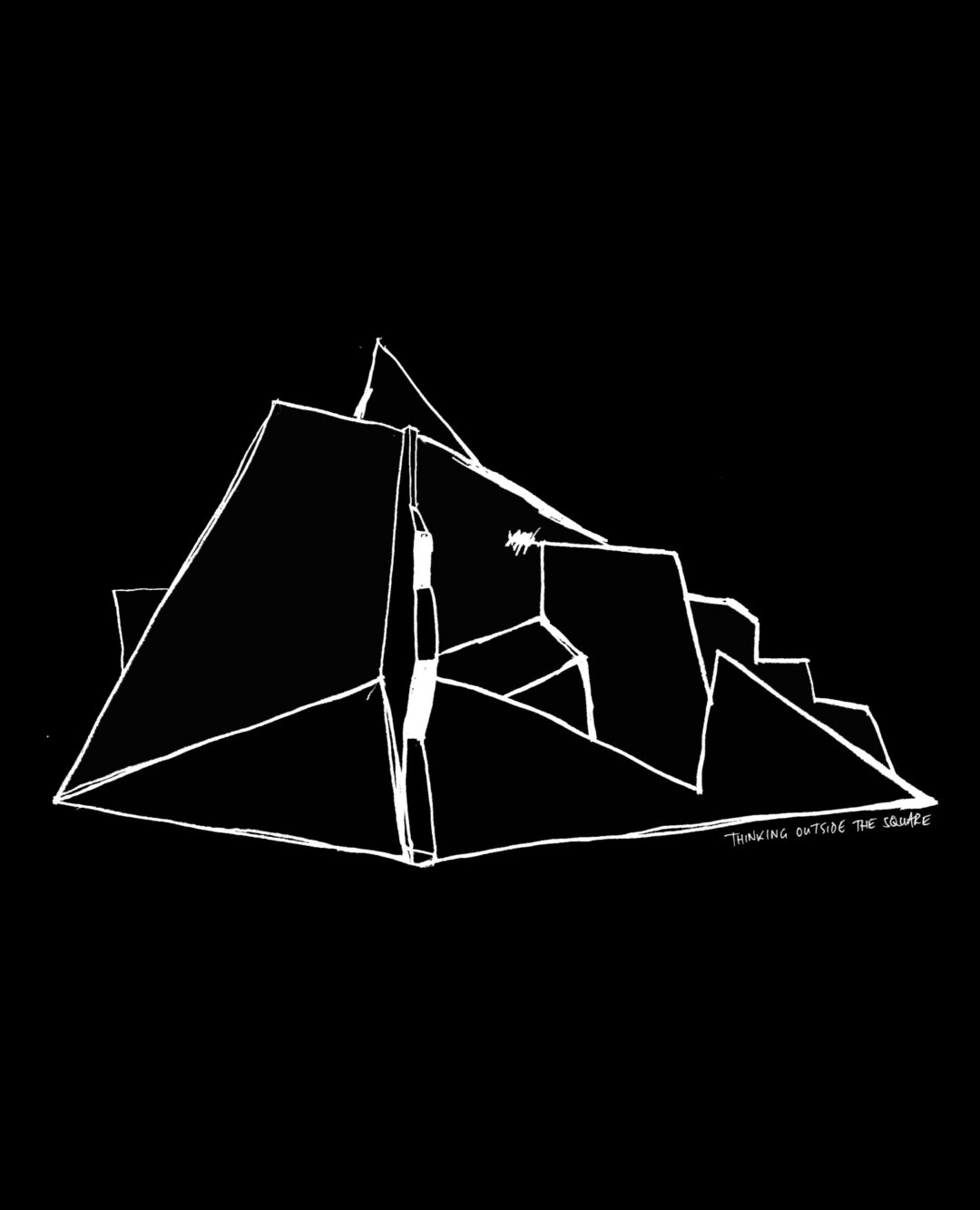
This piece reflects the refusal to let anything dictate the lines you draw or the method to your mayhem. | Derrin Hesher
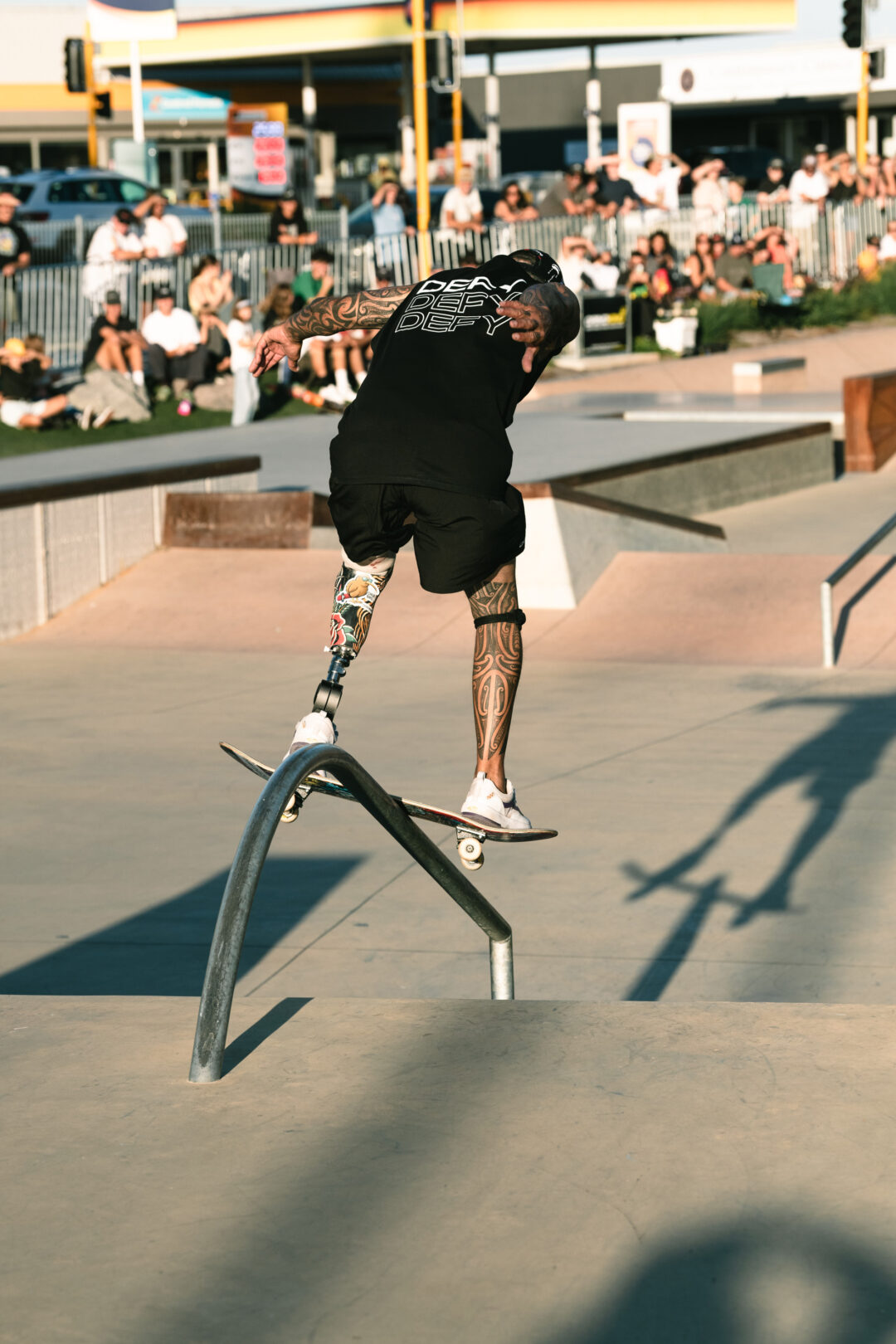
Alright, Jayden, thanks for sitting down with me. Just to set the scene — for those who don’t know you yet, who is Jayden beyond being the skater with a prosthetic? How would you introduce yourself outside of that label?
Yeah, I’m Jayden. Outside of skating, I’m a father of two daughters, a son, a brother — I’ve got five siblings. Before the accident, I was an engineer, a coachbuilder, a musician — I had my hands in a lot of different trades. Since then, it’s been a bit of a struggle to figure out who I am and where I fit, and that’s kind of why I skate. It’s become the way I reconnect with myself.
Your prosthetic leg is naturally the first thing people notice when you roll up to the skatepark. So let’s address the elephant in the room — what actually happened to your leg?
Yeah, that’s kind of why it’s hard to introduce myself sometimes — the leg is what people see first. The accident happened three years ago, in 2022. I was on my Harley Davidson and hit a car on a short stretch of road. I wasn’t wearing a helmet. I was DOA at the scene and ended up in a coma for two weeks. In the end, it came down to a choice between saving my life or saving my leg. I woke up from the coma without a leg.
Tell me about being in a coma and the whole recovery process. Recovery’s never a straight line — what was that journey like for you, both mentally and physically?
Hard. Testing. There was a lot of isolation, a lot of disbelief, and then the slow process of finding belief again. I went through all the stages — grief, depression, loss, anger, frustration. My family was there through it, and my mum especially has always been my biggest support.
I realised the mental side controls a lot of the physical. Once my head switched from despair into anger, I used that anger as drive — motivation to stand up and get out of a wheelchair. I even wrote a list of everything I was depressed about, everything I cried about at night — all the things I thought I’d never do again. And that list became my to-do list. One by one, I started crossing things off.
Within six months, I was doing things people assumed I couldn’t. Three months after losing my leg, I ran up the Mount and held my prosthetic over my head at the summit. I was back on my bike, rolling a pump track on my skateboard. I pushed myself into every space I thought was closed off to me. Isolating myself and testing myself became my recovery.
The stronger I got mentally, the stronger I got physically. That’s when I realised there weren’t as many limitations as people thought. Most
of the barriers were in the mind, not the body.
Overall, what would you say was the most challenging part of your recovery — the stuff people might not see from the outside?
Probably the brain injury. Because I wasn’t wearing a helmet, I ended up in a coma and spent 28 days in post-traumatic amnesia. At first, I thought I’d come out the same person, but then the memory blanks started — forgetting names, losing track of conversations, trying to manage my emotions. That’s been the hardest part to live with every day.
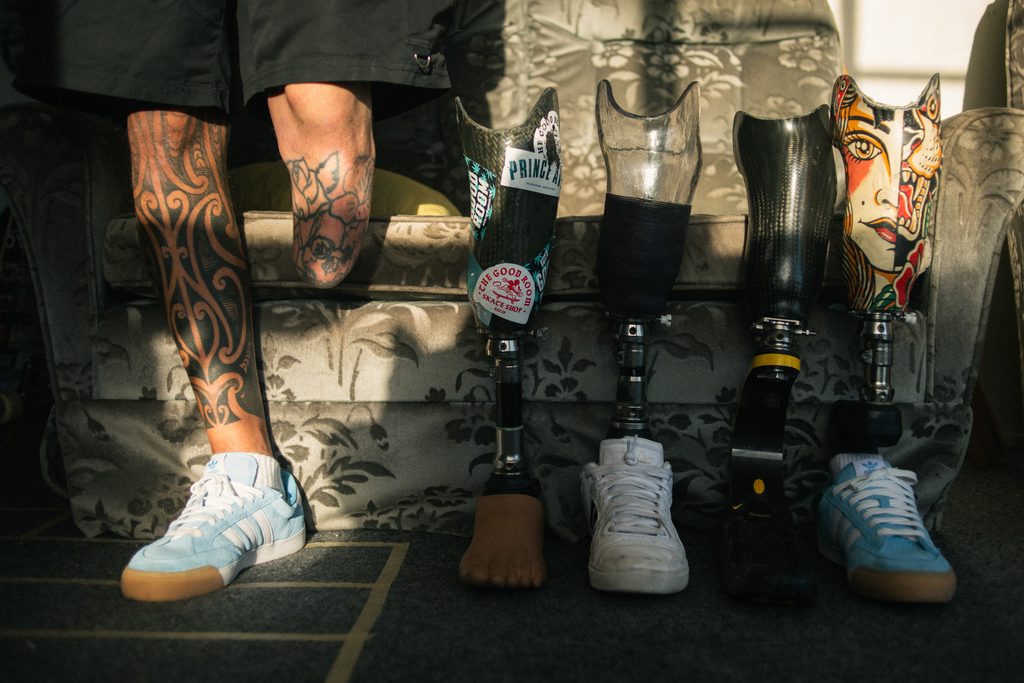
You’ve got the prosthetic — actually, a few of them now. How was the process of adjusting to life with it, both day-to-day and on the board?
I was so eager to get my first leg that I bought one online six days after leaving the hospital and walked into my first doctor’s appointment. I’ve always believed that people treat you based on the limits you set for yourself, so I wanted to show that there were none. But it wasn’t easy — at first I could only wear it for five minutes at a time, constantly remoulding and readjusting, learning to walk again.
I pushed those legs far beyond what they were designed for — running up the Mount, riding motorbikes, skating — so I broke a few. Over time, I’ve gone through six or seven different prosthetics, each one tweaked to keep up with what I want to do. It’s been painful and frustrating, but I’ve always been active and adventurous, so I just keep pushing until we find something that works.
Learning to skate again with a prosthetic sounds like rewriting the rule book. How did you even begin that process — and have any breakthroughs stood out?
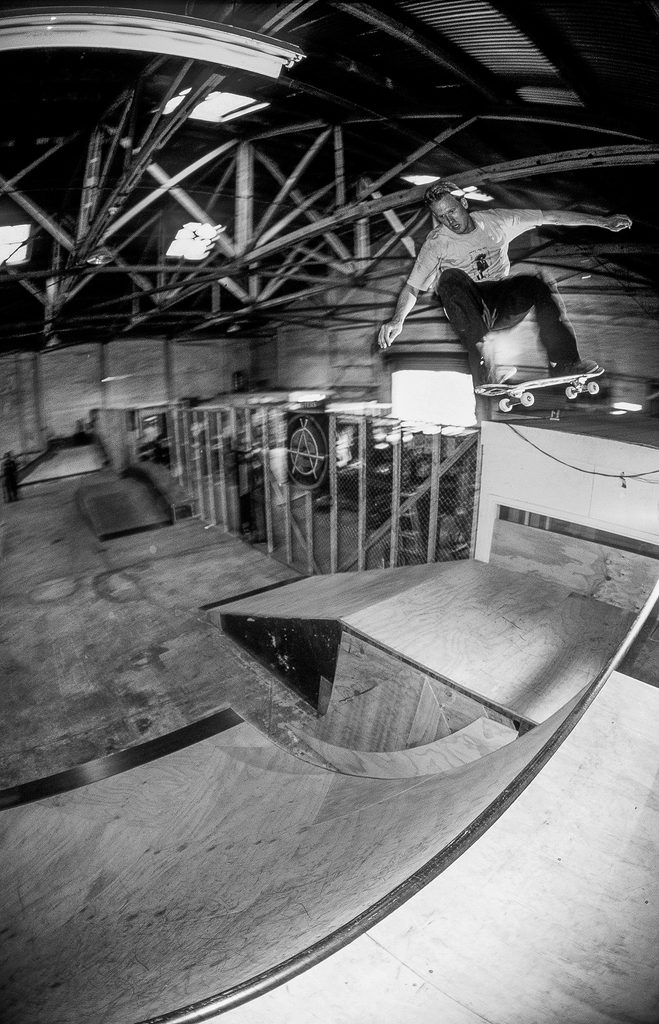
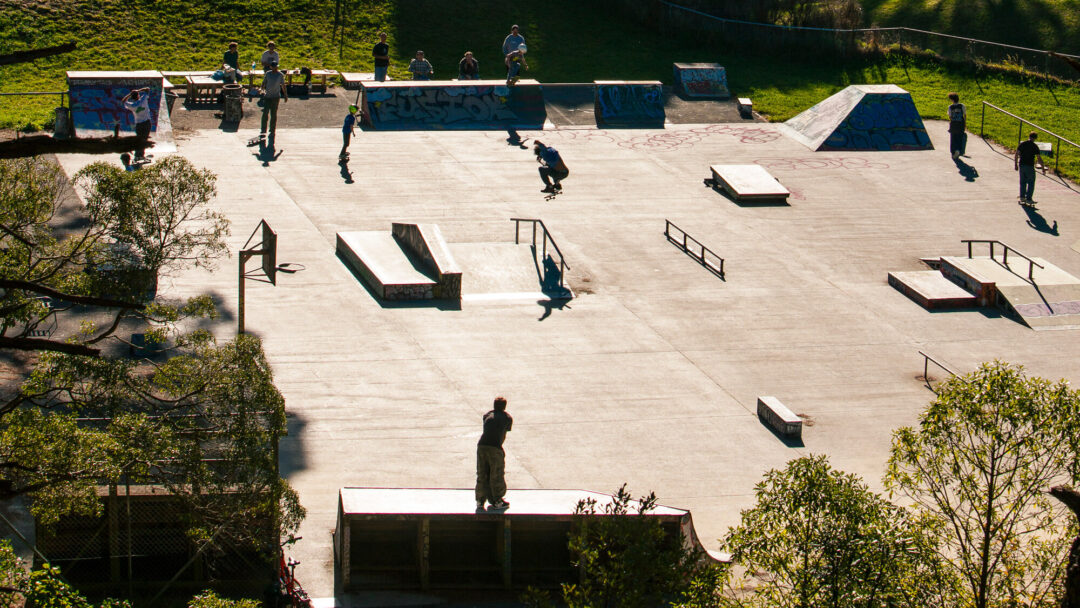
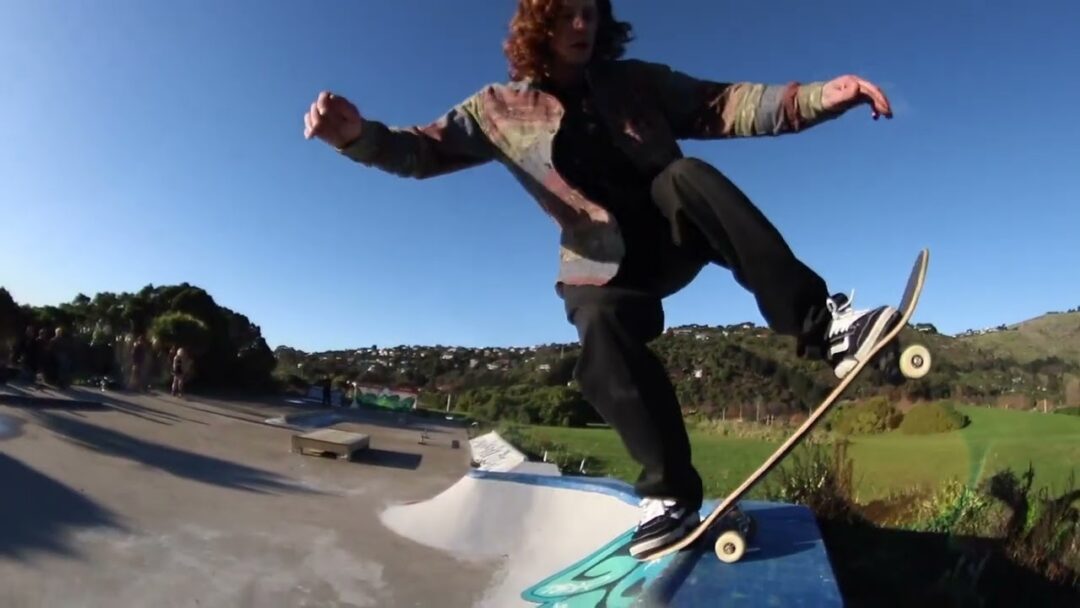
At first, I just spent hours at the pump track. I’d skated as a kid, so I knew I had to relearn balance, kick turns — just the basics. For about a year and a half, I treated it as therapy, just rolling and rebuilding myself. When the new Mount Maunganui Skatepark opened, it gave me a fresh spark. It was more welcoming, and that’s where I met people like Sean Boucher and you. The support you gave me helped push me from just rolling at the pump track to dropping in, 180ing over A-frames — seeing how far I could take it.
Were there moments when you thought skating might not be possible again? What pushed you through?
All the time. Everyone has those moments. Life hurts, and if you can’t enjoy the physical side of it, you can’t overcome the emotional. I’m not trying to sound whimsical, but after so much loss, anger, and frustration, skating has been the one thing that gives back. Even when I think “I can’t keep doing this,” it’s still my release — the thing that lets me carry the weight and keep moving forward.
Since everything that’s happened, how has your perspective on skating — and life itself — shifted? Or do you still feel like the same Jayden at the core?
I feel different. I feel like I have to be. I’ve had to adjust, I’ve had to accept. The strengths I used to lean on are no longer there, but I’ve found new ones to rely on. What I thought would destroy me has actually made me the best version of myself. What people might see as my biggest weakness is actually my biggest strength. And in a way, that’s the essence of skating too — it’s all about falling and finding a way to get back up.
Do you think your experience gave you a different relationship with that idea of falling, of hitting the ground, in skating and in life?
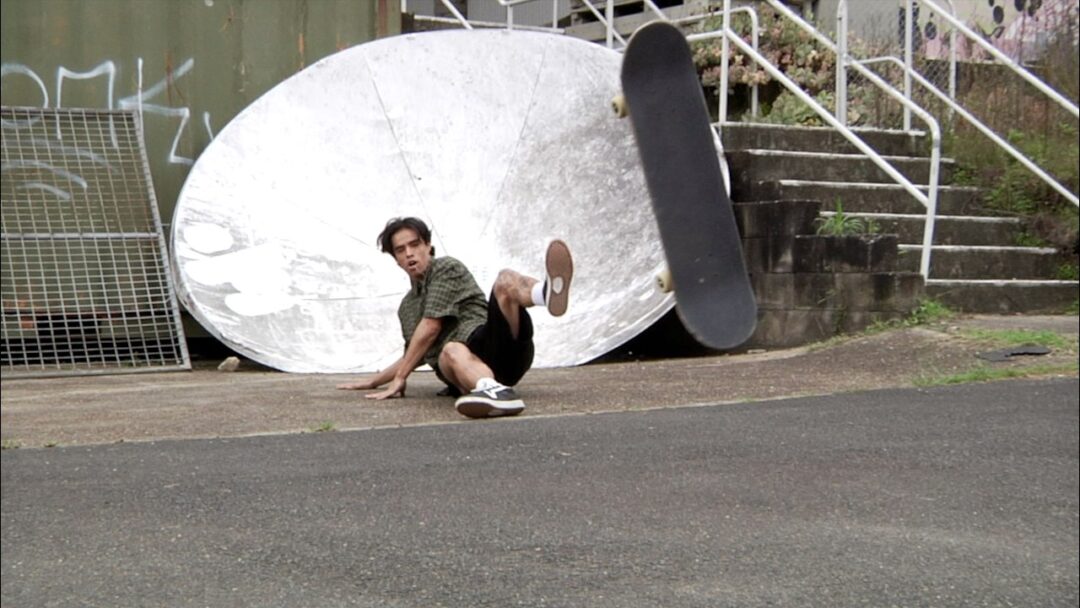
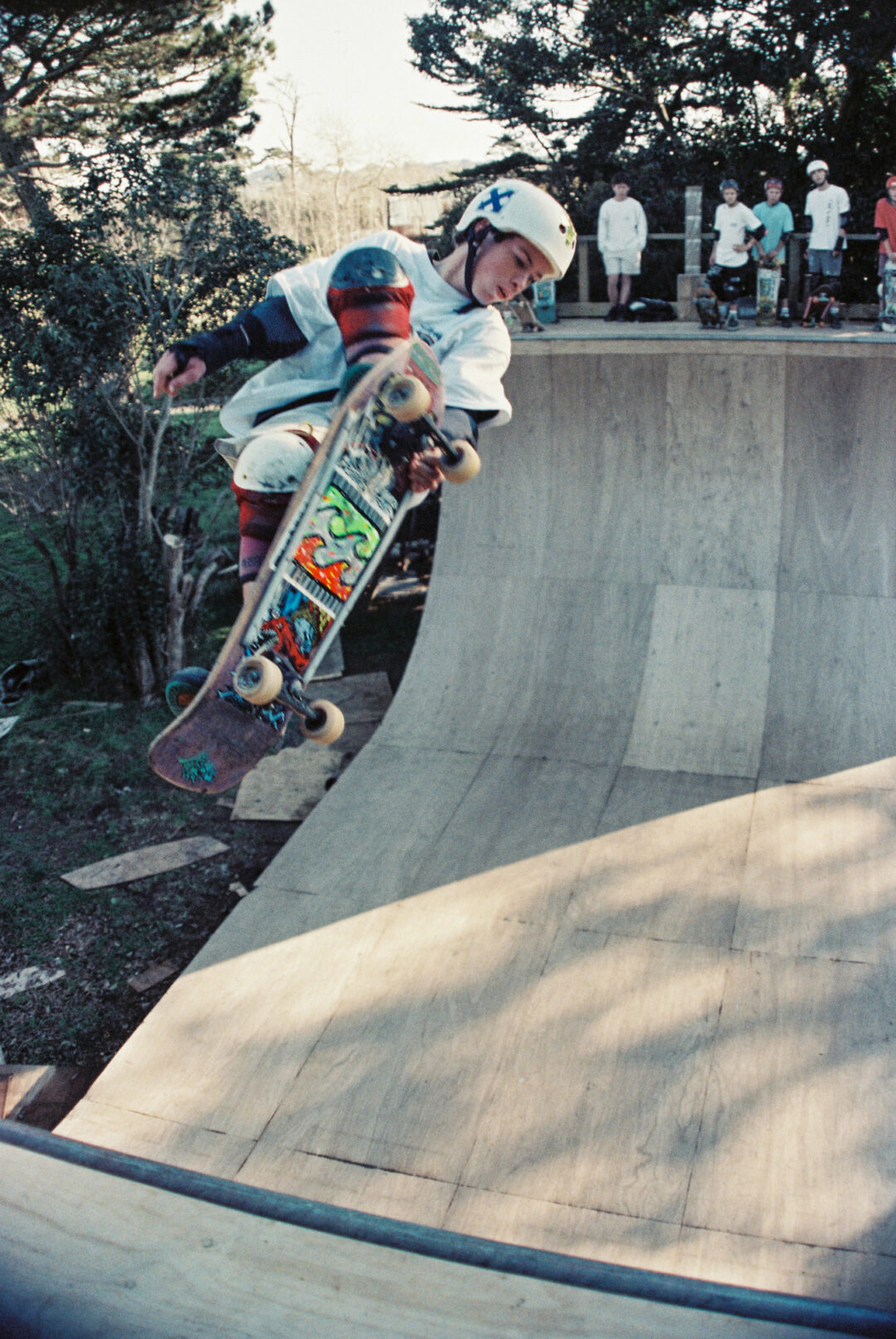
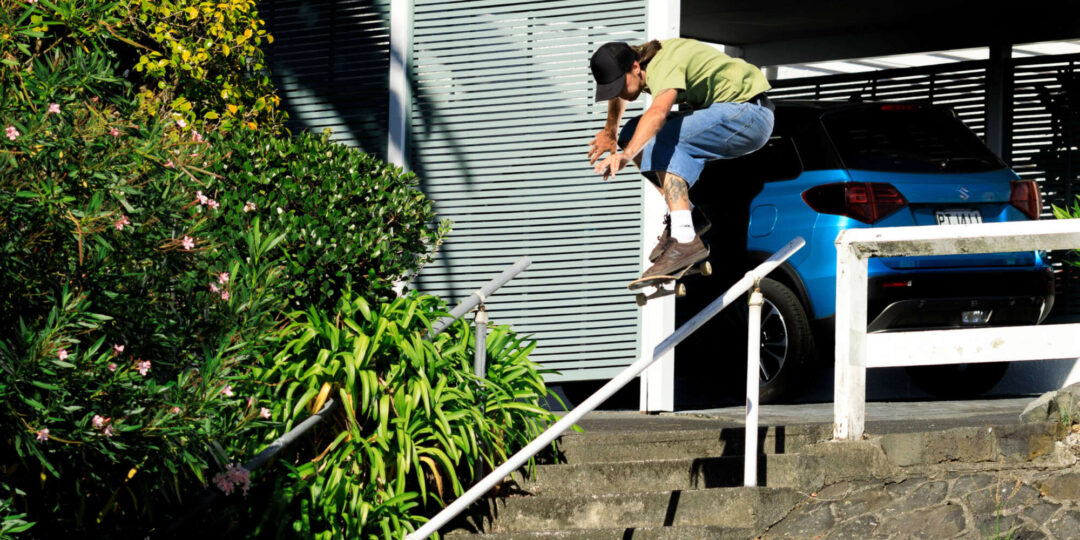
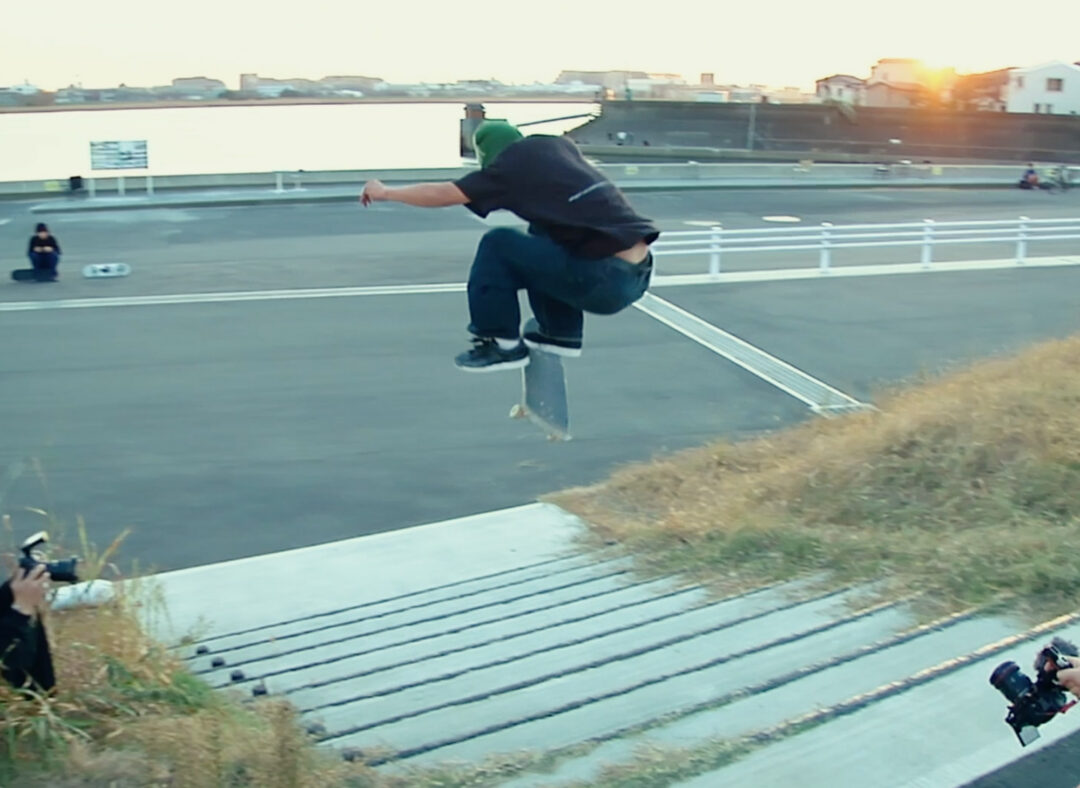
Yeah. The concrete and I have a big “fuck you” relationship, if you don’t mind me saying. The way I see it: if you’re not going to throw yourself at it, don’t even roll up. Because of what the concrete tried to do to me in my accident, skating becomes my way of saying, “fuck you,” and testing myself again. Big drops, gaps, staircases — sometimes I don’t land the first time, but I get back up, throw myself again, and prove I’m still here. It’s like revenge, but also love — taking back control over something that once tried to take me down.
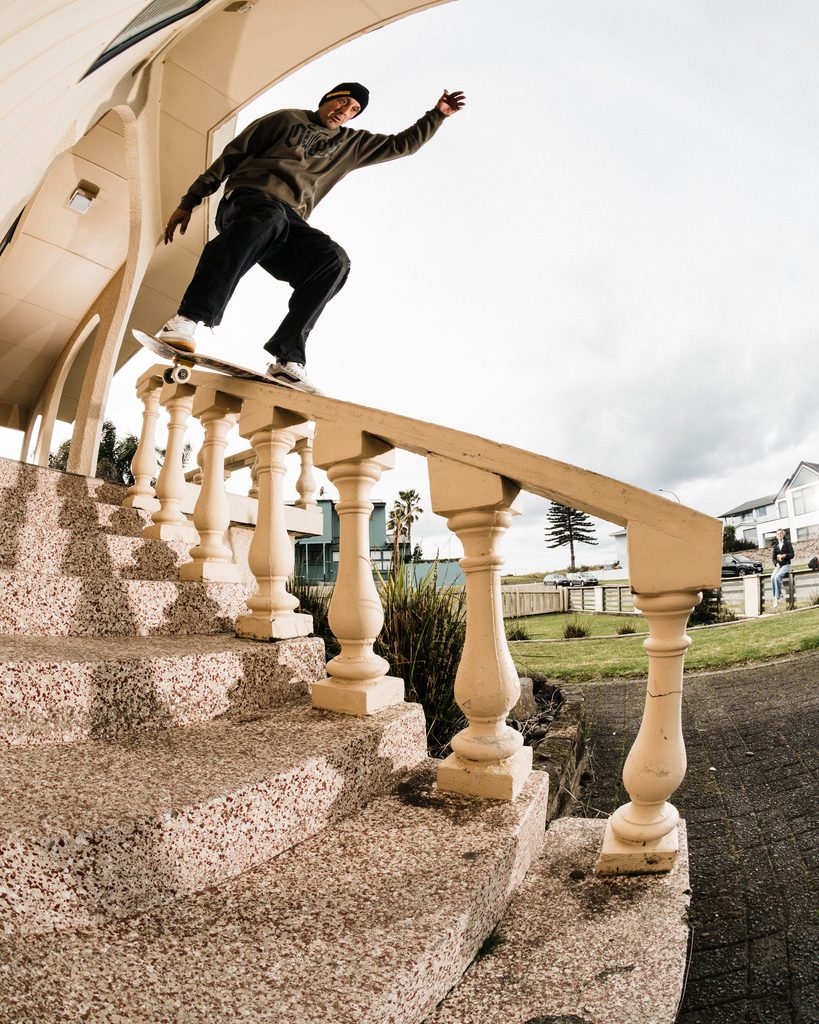
How would you describe your approach to skating now — your style, your attitude, what you’re chasing on the board?
I honestly don’t have a style to gauge off. I’m just a guy on a skateboard with no leg, trying to skate for myself. Since the Mount Park opened, the reception has been amazing — meeting people in the scene, skating with them, connecting with the wider New Zealand skate community. I’m just winging it, figuring out what I can do. Watching footage of myself is a mix of “yeah, that’s sick” and “nah, that’s rubbish,” but at the end of the day, it’s a make — good for some, not for others.
Let’s talk inspirations. Who or what drives you these days?
People I surround myself with. I believe “show me your friends, and I’ll show you your future.” I try to surround myself with those who bring value to my life. Chopper (Steven Carter) is a huge inspiration — a loyal friend, an amazing dad, and a skater who hucks gnarly drops and gaps, takes slams, and gets back up. A lot of the spots I skate now are Steven Carter spots — he pushes me, and I push myself because of him.
Growing up, local legends were just as inspiring. Phil Sanders introduced me to skateboarding; he had pros around him, but stayed humble, pulling off massive tricks with a cool confidence. From Napier, guys like Chey Ataria and Matt Scarrott. Tauranga’s Josh & Luke Fox, Adam Shaw, and Georgina Matthews all shaped my perspective. My local friends, my peers — those who defied the odds and inspired their communities — that’s where my real inspiration came from.
Do you see yourself as part of the wider story of representation in skating, or do you prefer not to carry that label?
I skate, and if the community needs someone to step up as an example, I’ll do it. I love skating with the kids and being involved, so if anyone has to do it, I’m happy to be that person.
If a younger skater in a similar situation came to you for advice, what would you want them to hear?
We’re all capable of more than we give ourselves credit for. It’s not until life puts you in a corner that you realise what you can do. Everyone struggles, everyone holds stuff inside. For them, I try to relate personally: fewer opinions, more decisions — focus on finding your own way.
Follow Jayden on Instagram @jaydendaniel_3116.
First published in Manual Magazine, issue 74, November 2025.